

Land Selection Guide
How to Choose the Right Block of Land Before You Build
“The technology of Vaastu architecture lays enormous emphasis on the selection of the building site for human habitation. Vaastu science looks upon the Earth as a living organism”
Dr V. Ganapati Sthapati
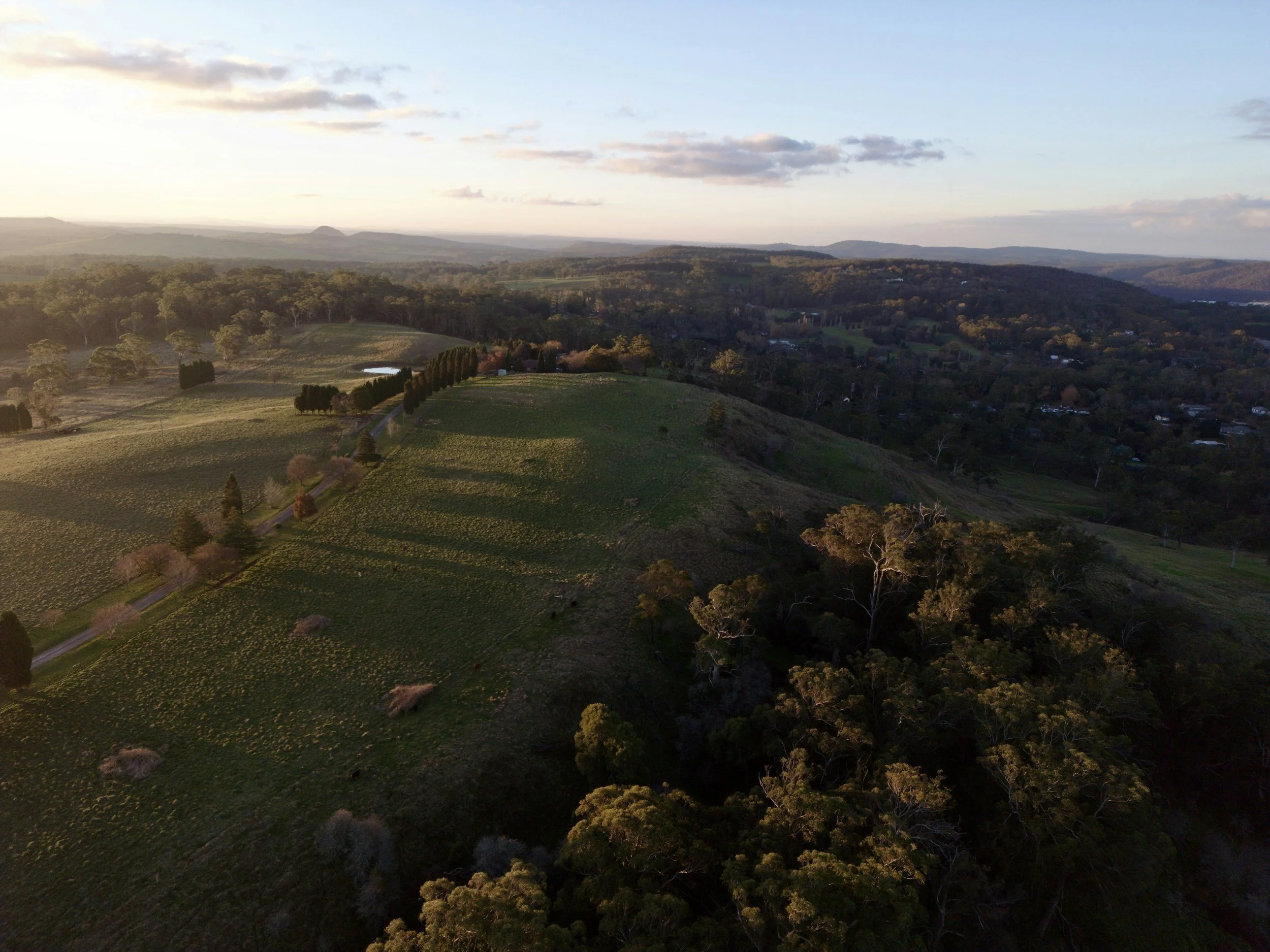
What if the success of your future home was determined long before the first line was ever drawn.
The excitement of finding a piece of land often focuses our attention on the obvious things: the view, the location, the acreage, or the price. Yet some of the most important qualities of a site are not immediately visible.
The land you choose will influence the comfort of your future home, the cost of construction, the energy performance of the building, and ultimately how it feels to live there. A well-chosen site can work with you for decades. A poorly chosen one can create ongoing challenges that no amount of clever design can fully overcome.
At Bahu, we believe good design begins long before the first sketch is drawn. It begins with understanding the land itself.
Whether you're considering a suburban block, a rural property, or a larger acreage, taking the time to understand a site's opportunities and constraints can save significant costs while creating a home that feels deeply connected to its place.
Looking Beyond the Boundary
When evaluating a block of land, it is important to look beyond the title boundaries and consider the wider landscape. While planning maps, surveys and council reports provide valuable information, some of the most important qualities of a site can only be understood through direct observation.
Before reviewing overlays, commissioning reports or assessing construction costs, we encourage people to spend time simply being on the land.
In our experience, some of the most valuable insights come not from documents or maps, but from paying attention. Every site has its own rhythms, patterns and characteristics that reveal themselves over time. The way morning light moves across a clearing, where the wind arrives from in the afternoon, where birds gather, how water moves through the landscape after rain, and how the land feels during different weather conditions all contribute to understanding a place more deeply.
Before You Buy: Spend Time on the Land
If possible, visit the site at different times and under different conditions. Spend time there in the early morning, middle of the day and late afternoon, return after rainfall, and if you can, experience the land during periods of wind, heat and across different seasons. Visiting on both weekdays and weekends can also reveal how the site and its surroundings change over time.
As you move through the site, ask yourself:
Where does the sun rise and set?
Which areas feel naturally comfortable?
Where do breezes come from?
Where does water collect after rain?
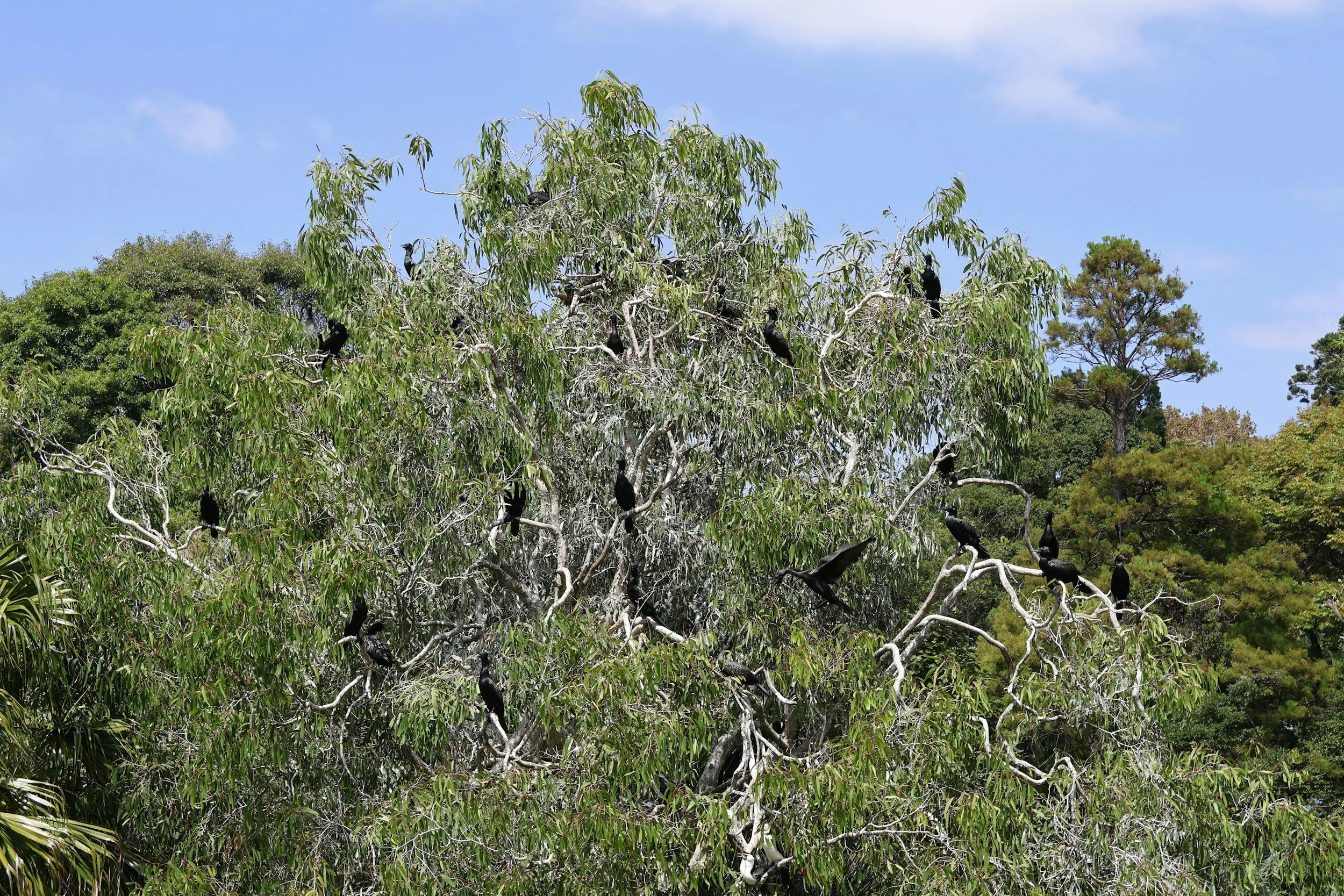
Are there signs of wildlife using the site?
What sounds can you hear?
Which areas feel protected and grounded?
Which areas feel open and expansive?
These observations can reveal opportunities and challenges that are difficult to identify through desktop research alone.
Understanding a site also means understanding its relationship to the broader landscape. What sits uphill from the property? How does water move through the surrounding catchment? Could neighbouring homes impact privacy or solar access? Is future development likely to change the character of the area?
Many people focus on what a site is today, but equally important is understanding what it could become. A beautiful view may not always remain protected, while an overlooked site may possess qualities that create extraordinary design opportunities.
At its heart, good site selection is about developing a relationship with place. The more time we spend observing a landscape, the more it reveals about how a future home might belong there.
Understanding the Existing Ecology

A healthy site is rarely empty.
Even seemingly undeveloped land forms part of a broader ecological system. Native vegetation, wildlife corridors, waterways, soil communities and seasonal cycles all contribute to the health and character of a place. Before considering what might be built, it is worth understanding what already exists.
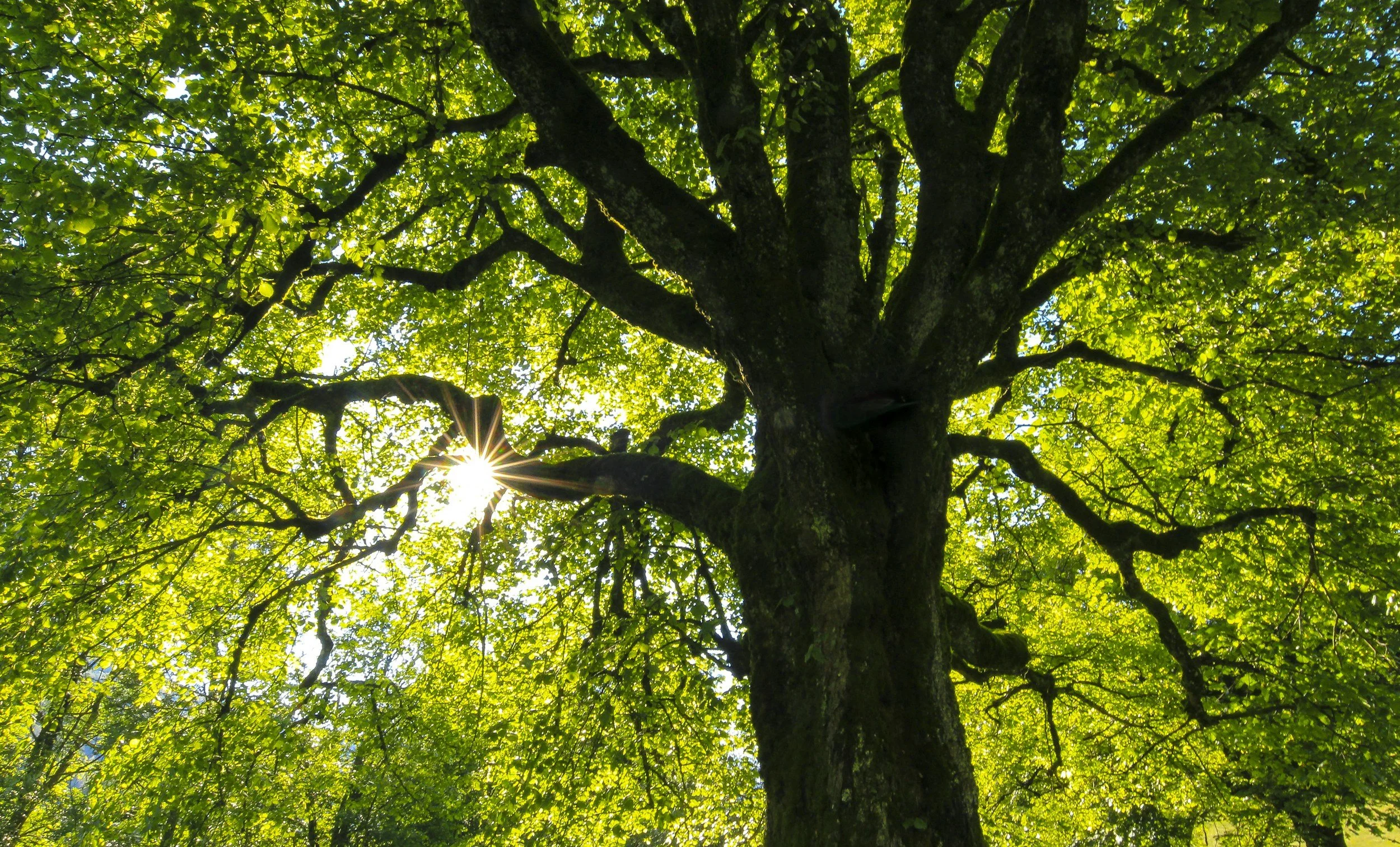
Rather than viewing the land as something to be cleared and reshaped, we encourage approaching it with curiosity. What species already call this place home? Are there mature trees providing habitat for birds and wildlife? Are there seasonal wetlands, native grasses or remnant vegetation communities that contribute to the ecological identity of the landscape?
Signs of a Healthy Landscape
Diverse native vegetation
Active birdlife and pollinators
Healthy mature trees
Functioning wildlife habitat
Stable ground cover
Minimal weed infestation
Evidence of natural water cycles
The condition of the land itself can often provide valuable clues. Healthy vegetation may indicate stable soils and functioning ecological systems, while extensive weed infestations can signal broader land management challenges.
Traditional knowledge systems have long recognised the importance of observing these signs. Within Vaastu, naturally occurring ant hills are often considered auspicious and are thought to indicate fertile, active land. While modern site investigations should always be supported by scientific assessment, these traditional observations remind us that landscapes communicate through many different forms if we take the time to pay attention.
There is also growing recognition of the importance of designing with Country. For tens of thousands of years, First Nations peoples have observed seasonal cycles, water movement, prevailing winds, vegetation patterns and ecological relationships to live in harmony with place. While every region and Traditional Owner group holds unique knowledge, there is much we can learn from the principle of careful observation and deep respect for the land.
Often the most sustainable approach is not to impose something entirely new onto a site, but to work with the qualities that already exist. When we take the time to understand a place before designing within it, the resulting home often feels more connected, resilient and deeply rooted in its surroundings.
Understanding the Shape and Slope of the Land
The topography of a site influences far more than construction costs. It affects drainage, solar access, views, comfort and how a future home interacts with the landscape.
Steep sites often require retaining walls, engineered foundations and extensive earthworks. These costs can escalate quickly and should be considered before purchasing.
From a Vaastu perspective, traditional texts favour land that is elevated towards the south and west and gently falls towards the north and east. The north-east is associated with openness, light, water and receptivity, while the south-west is associated with stability, grounding and protection.
Interestingly, these principles often align with practical environmental considerations. Land that opens towards the north-east can receive gentle morning sunlight while supporting natural drainage patterns. Likewise, positioning the highest portion of the site towards the south-west can provide shelter and a sense of enclosure.
Where possible, sites positioned on the north-east side of a hill are often preferred. Sites located on the southern or western side of significant hills can experience increased overshadowing, reduced solar access and cooler living conditions, particularly during winter.
Questions Worth Asking:
Which direction does the land fall?
Where are the highest and lowest points?
Is there a natural building platform?
Will significant earthworks be required?
Could neighbouring land impact solar access?
Does the site support natural drainage?
The most successful projects often work with the natural contours of the land rather than attempting to reshape them entirely.
Water, Drainage and Natural Flow
Water tells a story about the land.
Understanding how water moves through a site can reveal opportunities and challenges long before construction begins. Observing where water naturally drains after rainfall provides valuable clues about the site's long-term behaviour.
Look for signs of erosion, pooling, waterlogging or existing drainage channels. Consider whether there are opportunities for water harvesting, dams, swales or landscape strategies that could improve the resilience of the property over time.
Traditional Vaastu principles recommend locating water bodies, dams and water storage towards the north-east portion of a property where practical. This area is traditionally associated with clarity, renewal and life-supporting energy.
Whether viewed through a traditional or environmental lens, working with the natural flow of water is almost always more successful than attempting to fight against it. Poor drainage can impact foundations, roads, landscaping, wastewater systems and long-term maintenance costs.
Observing a site after heavy rainfall can often reveal more than any report or sales brochure ever will.
Understanding Soil Before You Buy
The ground beneath your feet on site influences almost every aspect of construction.
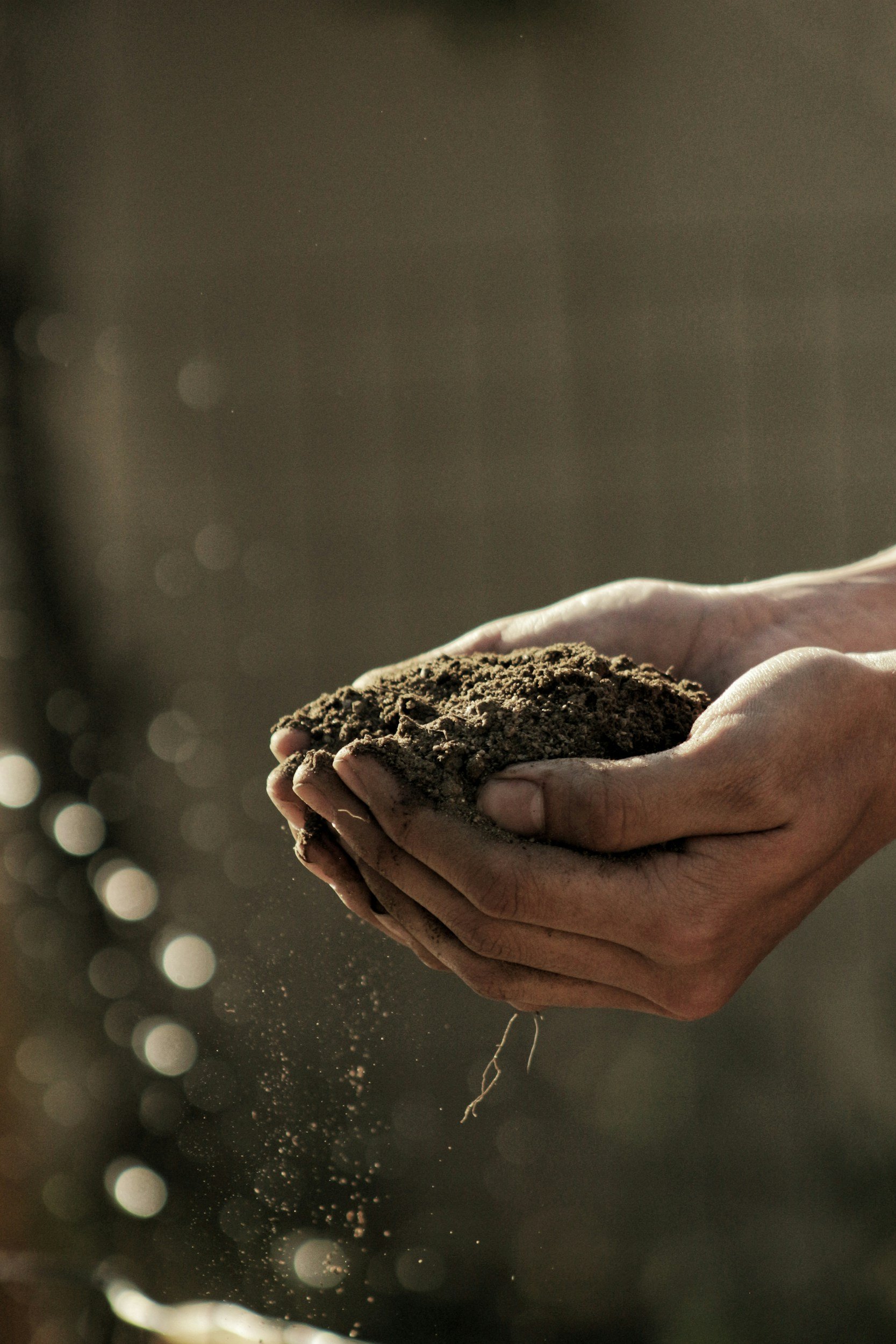
Different soil types can significantly affect footing design, excavation costs, drainage performance and long-term maintenance. A geotechnical assessment can provide valuable information before committing to a purchase and is often one of the most worthwhile investigations a prospective landowner can undertake.
Common Soil Conditions and Their Implications
Soil Type Considerations:
Reactive clay - Increased engineering and footing requirements
Sandy soils - Good drainage but may require stabilisation
Rocky sites - Potential excavation costs
Clay-rich soils - May be suitable for earthen construction
Poorly drained soils - Additional drainage and wastewater considerations
For those interested in natural building methods, soil testing can reveal opportunities beyond engineering requirements. Certain clay-rich soils may be suitable for rammed earth, compressed earth blocks, adobe or earthen plasters.
The soil you discover may ultimately become part of the future home itself.
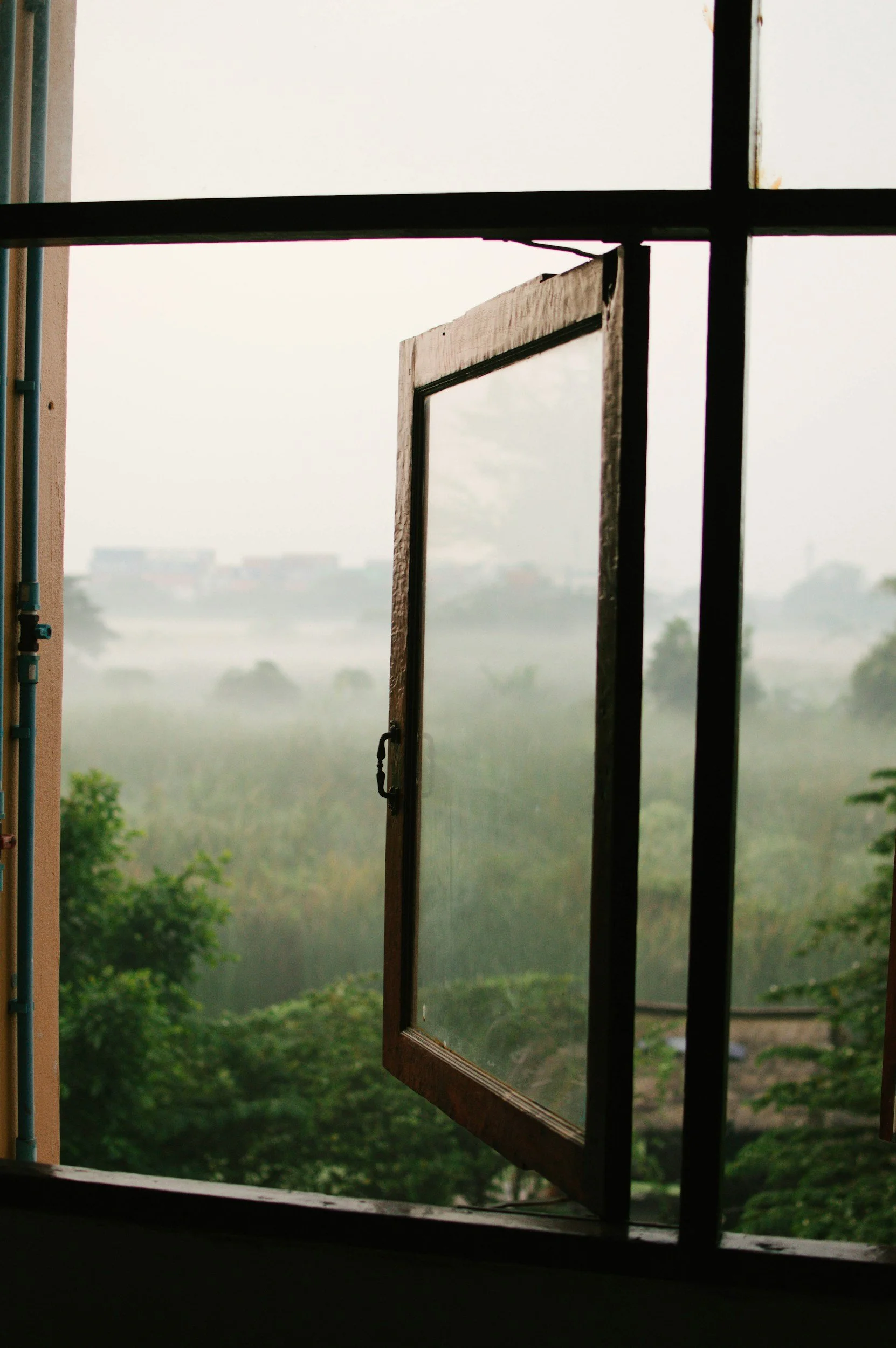
Wind, Airflow and Natural Comfort
The movement of air across a site is one of the most overlooked aspects of land selection, yet it can have a profound impact on how a future home performs.
Hills, ridgelines, vegetation, neighbouring buildings and the shape of the land itself can dramatically influence wind patterns. In Queensland, where cooling is often a greater concern than heating, capturing prevailing breezes can significantly improve comfort throughout much of the year.
When visiting a property, pay attention to how the air moves. Are there areas that feel noticeably cooler? Does the site feel fresh and breathable, or stagnant and enclosed?
These observations can influence where a home should be positioned and how spaces should be arranged to encourage natural cross-ventilation. A home that can breathe naturally often feels healthier, consumes less energy and maintains a stronger connection to the environment around it.
"We don't own the land. The land owns us."
Uncle Bob Randall
Privacy, Overshadowing and Future Development
When purchasing land, it is important to consider not only the site itself but also what surrounds it.
Many people purchase land based on the views and conditions that exist today without considering what may happen in the future. Neighbouring properties may be subdivided, new homes may be constructed, and mature vegetation may be removed over time.
Could a future house overlook your outdoor living area? Could neighbouring buildings block winter sunlight? Are views protected, or are they simply temporary?
Access to natural light influences not only heating requirements but also wellbeing, circadian rhythms and the overall experience of living within a home. A site that enjoys good solar access today may not necessarily enjoy the same conditions in the future.
A well-chosen site should provide opportunities for both connection and privacy. The most successful homes feel open to the landscape while still offering a sense of refuge.
Bushfire, Flood and Planning Overlays
One of the most common and costly mistakes we see is purchasing land without fully understanding planning constraints.
Local government overlays can significantly impact what can be built, where it can be built and how much it may cost.
Before Purchasing, Check For:
Bushfire overlays
Bushfire Attack Level (BAL) requirements
Flood overlays
Environmental significance overlays
Vegetation protection controls
Heritage constraints
Building envelopes
Easements
Future infrastructure corridors
Bushfire overlays are particularly important in regional and rural areas. Depending on the assessed Bushfire Attack Level, construction may require specialised glazing, ember protection systems, non-combustible cladding and a range of other compliance measures. These requirements can add tens of thousands of dollars to a project budget and, in some cases, substantially more.
What initially appears to be an affordable parcel of land can quickly become far more expensive once planning constraints are properly understood.
Easements and Hidden Constraints
Not all land can be built upon.
Easements for drainage, sewer infrastructure, access and utilities can significantly influence how a site may be used. These restrictions may affect where buildings, pools, sheds, driveways and future additions can be located.
Before purchasing land, it is important to understand not only how much land you are buying, but how much land you can realistically use.
A large block with significant easement constraints may ultimately offer less design flexibility than a smaller site with fewer restrictions.
Considering an Off-Grid Lifestyle
Many people are drawn to rural living because of the possibility of greater self-sufficiency. While this can be incredibly rewarding, not every site is equally suited to off-grid living.
Off-Grid Feasibility Checklist:
Is there adequate year-round solar access?
What is the average annual rainfall?
Can sufficient water be stored on-site?
Are composting toilets permitted?
How will wastewater be managed?
Is reliable internet connectivity available?
Is emergency vehicle access reliable?
What backup systems may be required?
Successful off-grid living begins with choosing a site that can genuinely support the lifestyle you hope to create.
Rather than asking simply, "Can I build here?", it can be helpful to ask, "Can this land support the life I want to live?"
The Opportunity for Adaptive Reuse
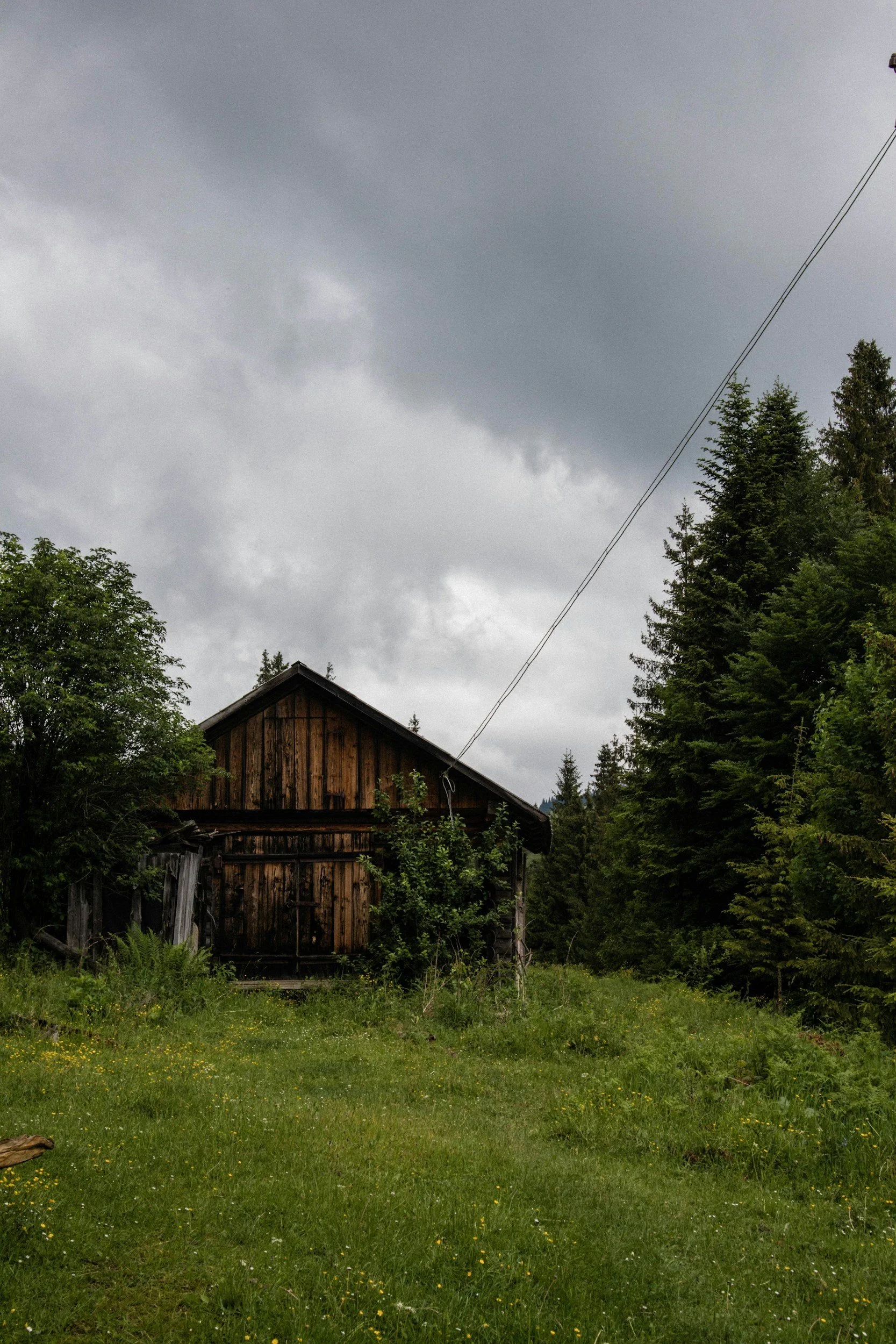
Sometimes the most sustainable building on a site is one that already exists.
Existing homes, sheds, barns, water tanks, orchards, stone walls and infrastructure can provide value that is often overlooked. Adaptive reuse allows us to retain embodied energy, reduce waste and preserve the story of a place.
Existing Resources Worth Looking For:
Existing dwellings
Barns and sheds
Water tanks
Stone and masonry
Mature orchards
Existing access roads
Timber suitable for milling
Clay suitable for earth construction
Established shelter belts
Existing landscape infrastructure
We are often drawn to vacant land because it appears to offer a blank canvas. Yet some of the most meaningful projects emerge from working with what is already there.
The most regenerative projects often begin with a simple question:
What can be retained?
A Site Should Feel Like an Ally
Beyond all the technical assessments, planning investigations and environmental considerations, there is one final question worth asking.
How does the land make you feel?
Does it feel calm? Grounding? Alive? Expansive? Supportive?
Good land has a way of inviting you to stay a little longer. It feels generous rather than resistant. It encourages a sense of connection and possibility.
At Bahu, we believe the relationship between a home and its site is one of the most important relationships in the entire design process. When the land is understood and respected, the architecture that follows has the opportunity to feel timeless, connected and deeply rooted in place.
A site should not feel like something to be conquered.
It should feel like an ally.
Need Help Choosing the Right Site?
Selecting land involves far more than assessing location, views and price. Understanding topography, planning constraints, ecology, solar access, bushfire requirements, infrastructure, future development potential and overall site suitability can have a significant impact on both the cost and quality of your future home.
At Bahu, we offer Land Selection and Site Assessment services to help clients evaluate properties before purchase. Our approach combines practical building knowledge with passive design principles, regenerative thinking and a deep respect for place, helping you identify opportunities and avoid costly surprises before your project begins.
If you're considering purchasing land and would like professional guidance, we'd love to help.
Want more resources like this?
Receive new articles, educational resources, supplier updates, and practical guidance on creating healthy, intentional homes inspired by nature.
Join our newsletter below.
______________
References
Gangaiwar, M. (2024). Slope of Plot and Vaastu Principles.
Australian Standard AS3959:2018 — Construction of Buildings in Bushfire-Prone Areas.
Queensland Government. State Planning Policy and Local Government Planning Schemes.
Geoscience Australia. Australian Soil and Landform Resources.
Australian Government Department of Climate Change, Energy, the Environment and Water. Bushfire and Environmental Planning Guidance.
Birkeland, J. (2019). Positive Development and Regenerative Design.
Mang, P. & Reed, B. (2012). Designing from Place: A Regenerative Framework.
International Living Future Institute. Regenerative Design Principles.