

A Quiet Protest Against Modern Construction
“Indigenous ways of knowing and seeing are essential for meeting the environmental challenges of today and the future. As the world’s oldest living culture, Indigenous peoples have dealt with environmental change over millennia. Their role in caring for Country is far more than environmental management – it is caring for Country as if land and seas are kin.”
Written by Dr Terri Janke, Zena Cumpston, Dr Rosemary Hill, Dr Emma Woodward, Stephanie von Gavel, Dr Pia Harkness and Joe Morrison.”

Acknowledgement to Country
At Bahu Design Studio, we respectfully acknowledge the Traditional Custodians of the lands and waters on which we live, work and design. We pay our deepest respects to Elders past and present and recognise the enduring cultures, knowledge systems and continuing connection of Aboriginal and Torres Strait Islander peoples to Country.
As a practice based across South East Queensland and Northern New South Wales, we acknowledge the many Traditional Custodians of these regions, including the Arakwal people of the Bundjalung Nation and the Kombumerri people of the Yugambeh Language Region, while recognising that this article may be read on many different Countries across Australia.
We acknowledge that Aboriginal and Torres Strait Islander peoples have cared for Country for more than 65,000 years through sophisticated systems of ecological knowledge, cultural practice and reciprocal stewardship. These living knowledge systems continue today and belong to the Traditional Custodians of each Country.
As a non-Indigenous design practice, Bahu does not seek to interpret or speak on behalf of these knowledges. Instead, we acknowledge them with humility and gratitude, recognising that they remind us of something many modern societies have forgotten—that we are not separate from the landscapes we inhabit, but inseparable from them. May we all continue to listen, learn and build with greater respect for Country.
A Quiet Protest
The way we build has changed dramatically over the past century. Advances in engineering, manufacturing and global supply chains have enabled us to construct buildings with remarkable speed and precision, while giving us access to materials from almost every corner of the world. Yet in solving many challenges, we have quietly created another. Our buildings have become increasingly disconnected from the landscapes they occupy.
A contemporary Australian home may contain timber harvested overseas, stone quarried on another continent, steel manufactured thousands of kilometres away and finishes transported across multiple countries before arriving on site. Many of these products perform exceptionally well, yet their journey reflects a broader shift in the way we think about construction. Rather than beginning with the resources available within a landscape, we have become accustomed to selecting products first and asking where they come from later.
The environmental consequences of this approach are significant. According to the United Nations Environment Programme, the buildings and construction sector is responsible for approximately 37 per cent of global energy and process-related carbon dioxide emissions, making it one of the world's largest contributors to climate change. These emissions come not only from operating our buildings, but also from extracting raw materials, manufacturing products, transporting them across the globe and constructing increasingly resource-intensive buildings.
Much of today's conversation around sustainable building focuses on reducing these impacts through improved technologies. We install solar panels, specify recycled products, improve insulation and pursue higher energy ratings, all of which are important steps towards creating more efficient buildings. Yet these measures often begin after a more fundamental decision has already been made: the assumption that our conventional methods of construction are the only way to build.
Natural building offers a different starting point.
Rather than asking What is the most sustainable product? it begins with a much simpler question:
What does this place already offer?
It asks us to look first to the landscape, to understand its climate, geology and ecology, and to consider how local materials and regional knowledge might shape the buildings we create. It encourages us to value what already exists before searching elsewhere.
In this sense, natural building is more than an alternative method of construction.
It is a quiet protest.
Not a loud rejection of modern technology, nor a nostalgic attempt to recreate the past, but a gentle challenge to the assumption that progress must always involve greater consumption, greater complexity and greater distance from the places we call home. It is a reminder that some of our greatest opportunities may already exist beneath our feet, within our communities and in the landscapes that have sustained human settlements for thousands of years.
Natural building is not about building from nature. It is about building with place.
Building With Country
In Australia, any conversation about place, landscape and building must begin by acknowledging that this continent has been home to Aboriginal and Torres Strait Islander peoples for more than 65,000 years. Throughout this time, more than 250 distinct Nations developed sophisticated systems of ecological knowledge, cultural practice and land management that were deeply connected to the unique environments in which they lived. These living knowledge systems continue today and remain under the custodianship of Traditional Owners.
One of the most significant ideas shared by many Aboriginal cultures is the concept of Country. While often translated simply as "land", Country carries a far richer meaning than the Western understanding of property or geography. It encompasses land, waterways, skies, plants, animals, seasons, ancestors, stories, language and law. Country is living. It is both physical and spiritual, ecological and cultural, existing through the relationships between all these elements.
For many Aboriginal people, Caring for Country is not a separate environmental practice but an ongoing cultural responsibility. It is expressed through observation, knowledge passed between generations, ceremony, storytelling and everyday life. It recognises that healthy people and healthy landscapes cannot exist independently of one another. As many Aboriginal people have said, "If you look after Country, Country will look after you."
“People don’t speak about Country as the place they stand on, but what’s inside them.”
- Christian Hampson, Woiwurrung/Maneroo designer, 2023
As a non-Indigenous design practice, Bahu does not seek to interpret or speak on behalf of these knowledge systems. They belong to the Traditional Custodians of each Country and continue to evolve through living cultural practice. However, they offer an important reminder for all Australians. They encourage us to reconsider our relationship with the places we inhabit and to recognise that every landscape has its own history, ecology and rhythms that deserve to be understood before they are altered.
Perhaps this is one of the greatest lessons natural building can offer.
Before we ask what we should build, we might first ask how to understand the place we are building upon.
Good design begins long before a floor plan is drawn.
It begins with observation.
It asks us to notice how water moves across a site after rain, where the morning light first touches the landscape and how prevailing breezes change with the seasons. It invites us to understand the soil beneath our feet, the vegetation that already thrives there and the ecological relationships that have shaped a place long before we arrived. These are not simply environmental considerations. They are acts of listening.
Natural building, at its heart, is an invitation to build with place rather than merely on it.
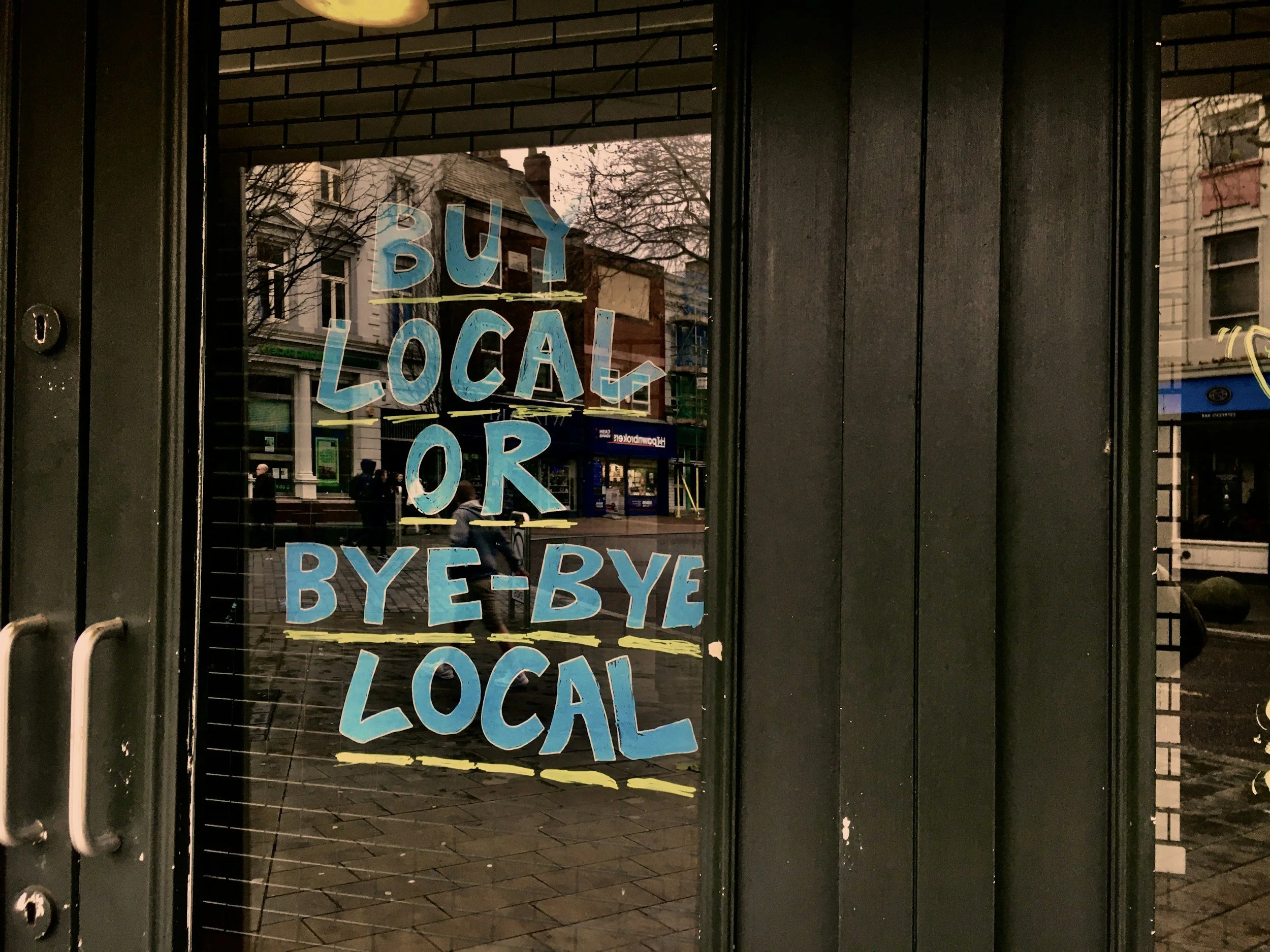
A Global Return to Localism
For most of human history, building locally was not an environmental philosophy—it was simply common sense. Communities built with the materials their landscapes provided because there were few alternatives. Construction techniques evolved alongside local climates, geology and culture, creating buildings that were uniquely suited to the places they belonged.
Industrialisation transformed this relationship. Railways, shipping and global manufacturing made it possible to transport building materials across enormous distances. Standardisation replaced regional variation. Construction became faster, more predictable and increasingly disconnected from local resources. Rather than adapting buildings to place, we gradually adapted places to buildings.
These changes brought extraordinary advances. Engineering became safer, building performance improved and access to durable materials expanded dramatically. Yet every advancement carries trade-offs. As construction became increasingly standardised, many regional industries and traditional building practices quietly declined. Local quarries closed, small sawmills disappeared and generations of craftsmanship were gradually replaced by products designed to be used almost anywhere.
The result is that many contemporary homes could exist almost anywhere in the world. Remove the surrounding landscape and it becomes difficult to tell whether a house belongs in coastal Queensland, regional Victoria or suburban Canada. In becoming more universal, architecture has often become less local.
Today, however, a quiet shift is taking place.
Architects, designers, builders and homeowners across the world are beginning to ask whether something important has been lost. This renewed interest in natural building is not simply about reducing carbon emissions, although that remains an important outcome. It is about rebuilding relationships—with the landscapes that provide our materials, the people who craft them and the communities that sustain them.
This movement does not seek to recreate the past exactly as it was. Contemporary homes must still respond to modern lifestyles, changing climates and current building standards. Rather, it recognises that traditional knowledge and contemporary science are not opposing ideas. Together they offer an opportunity to create buildings that are healthier, more resilient and more deeply connected to place.
For us at Bahu, this philosophy extends beyond architecture.
It is about choosing regional materials before imported ones where practical. Supporting local sawmills, quarries, growers and makers. Valuing the knowledge of craftspeople who understand the landscapes in which they work. Designing homes that respond to climate rather than resisting it, and recognising that sustainability is not simply measured by carbon, but by the strength of our relationships—with place, with community and with the natural systems that sustain us.
We think of this as a global return to localism.
Not because every building should look the same or use the same materials, but because every place deserves an architecture that belongs to it. Around the world, the expression will be different. The materials will differ. The climates, cultures and traditions will continue to shape the buildings that emerge. Yet the underlying philosophy remains remarkably consistent.
Perhaps the future of sustainable building is not about continually inventing something new.
Perhaps it is about remembering that the best place to begin has always been the place beneath our feet.
Building Naturally Today
Natural building is often imagined as an alternative form of construction, but in reality it is less about a particular material and more about a way of thinking. It begins not with a catalogue of products, but with curiosity about the place in which we are building.
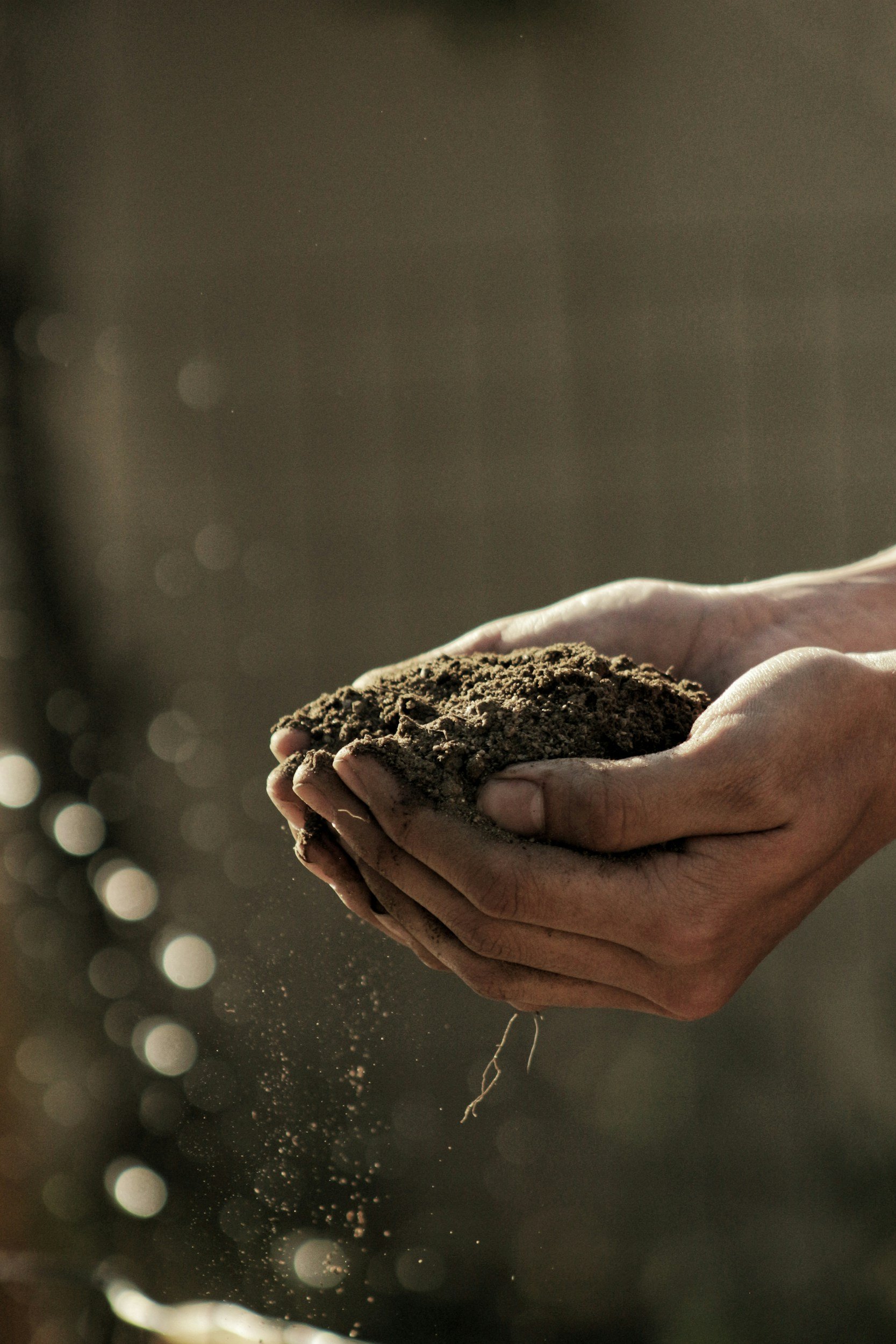
Every site has its own opportunities. Soil excavated for foundations may become rammed earth walls or earthen plasters. Stone uncovered during earthworks might be repurposed into retaining walls or landscape features. Timber cleared under approved vegetation management may find new life as structural elements, flooring or furniture. Existing buildings can often provide bricks, hardwoods and fittings that would otherwise become waste. Even the orientation of a site, prevailing breezes, surrounding vegetation and seasonal patterns offer valuable resources before a single material is purchased.
Where additional materials are required, natural building encourages us to look first to the regions around us. Local sawmills, quarries, lime producers, earth builders, salvage yards, cabinet makers, arborists and neighbouring farms often provide materials that are both environmentally responsible and deeply connected to the character of a place. Supporting these regional industries not only reduces transport impacts but strengthens local economies, preserves traditional skills and creates buildings that genuinely belong to their landscape.
This does not mean every home must be constructed entirely from natural materials, nor that modern products have no place in contemporary building. Rather, natural building asks us to make thoughtful decisions about the materials we choose, understanding their origins, their life cycle and the relationships they support.
At Bahu, this philosophy inspired the creation of the Build Naturally Directory—a growing resource that connects homeowners, designers and builders with Australian suppliers, manufacturers and craftspeople committed to healthier, lower-impact building materials. It exists to make natural building more accessible, while celebrating the remarkable knowledge, innovation and regional industries already flourishing across Australia.
Natural building is not a fixed set of rules.
It is a way of seeing.
A Shared Responsibility
The responsibility for creating healthier, more sustainable buildings does not rest with architects or designers alone. Every building is the result of countless decisions made by clients, builders, suppliers, manufacturers, tradespeople, policymakers and local communities. Together, these decisions shape not only the homes we live in, but the landscapes and industries we choose to support.
When we purchase materials from local suppliers, we invest in regional economies and preserve specialist knowledge that might otherwise disappear. When we choose reclaimed timber over newly harvested hardwood, or repair existing buildings instead of demolishing them, we extend the life of valuable resources and reduce unnecessary waste. When communities support local makers and manufacturers, they strengthen the resilience of entire regions.
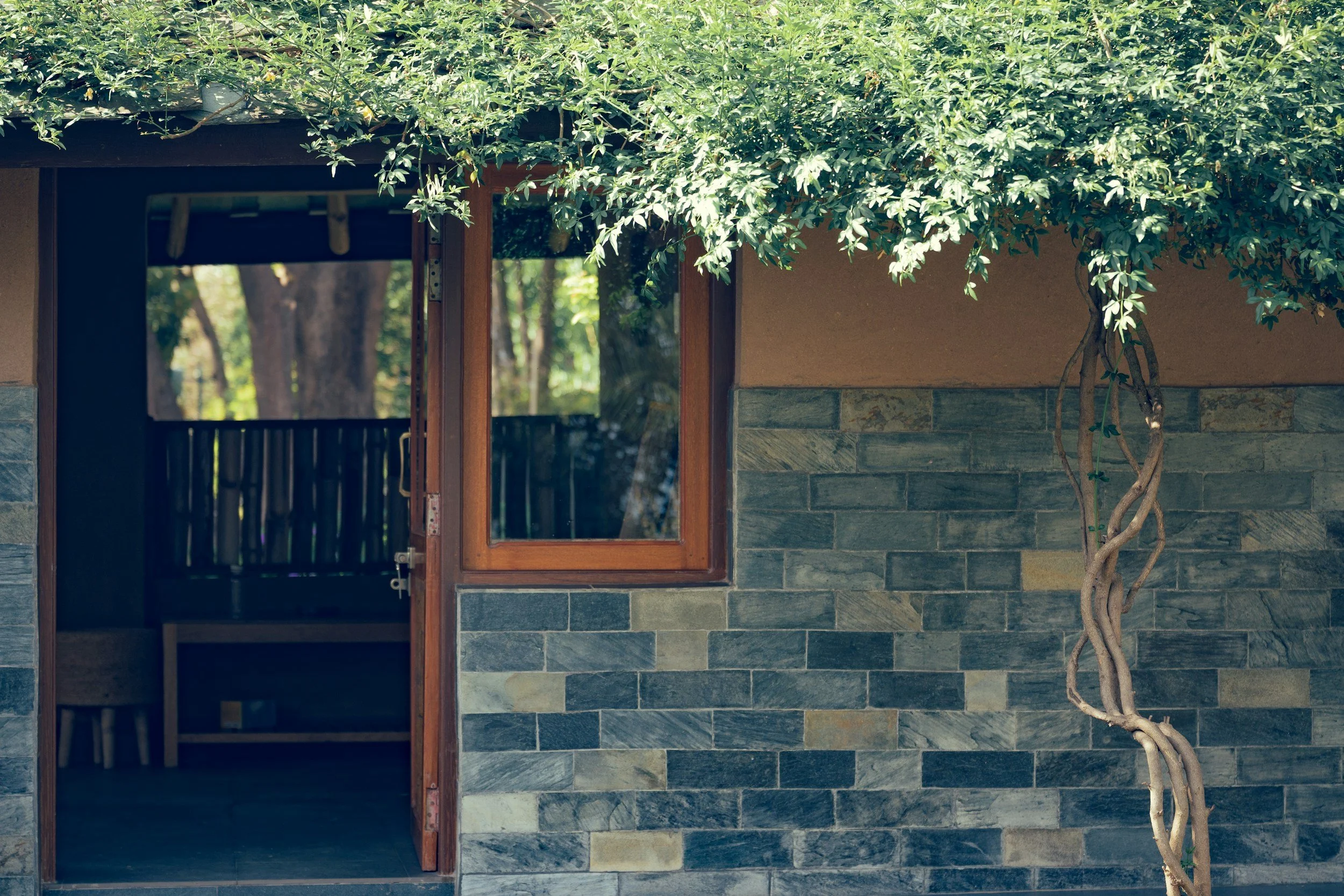
Natural building reminds us that sustainability is not simply about reducing environmental impact. It is also about fostering relationships—between people, places and the materials that connect them. A home built from local timber tells the story of nearby forests. Stone sourced from a regional quarry reflects the geology of its landscape. Earth taken from beneath our feet carries the colours and textures of the place itself.
These relationships create buildings with a sense of identity and belonging that cannot be imported.
Ultimately, building naturally is not about striving for perfection. Every project has its own constraints, budget and practical considerations. What matters is the willingness to ask better questions, to make more considered choices and to recognise that even small decisions contribute to something much larger than a single building.
Remembering Our Place
Every generation leaves its mark on the landscapes it inhabits. The homes we build, the materials we choose and the decisions we make become part of a much longer story—one that extends far beyond our own lifetimes.
For much of human history, building was an act of participation within the natural world. Homes were shaped by climate, crafted from nearby materials and designed with an understanding that people were part of the ecosystems that sustained them. Construction was not separate from nature; it was one expression of it.
Modern building has brought extraordinary advances in comfort, safety and technology. Yet somewhere along the way, many of us began to see ourselves as separate from the landscapes we inhabit rather than participants within them. Our buildings became increasingly disconnected from place, and in doing so, we risked losing something deeper than traditional construction methods. We lost a sense of belonging.
Natural building offers an opportunity to rediscover that connection.
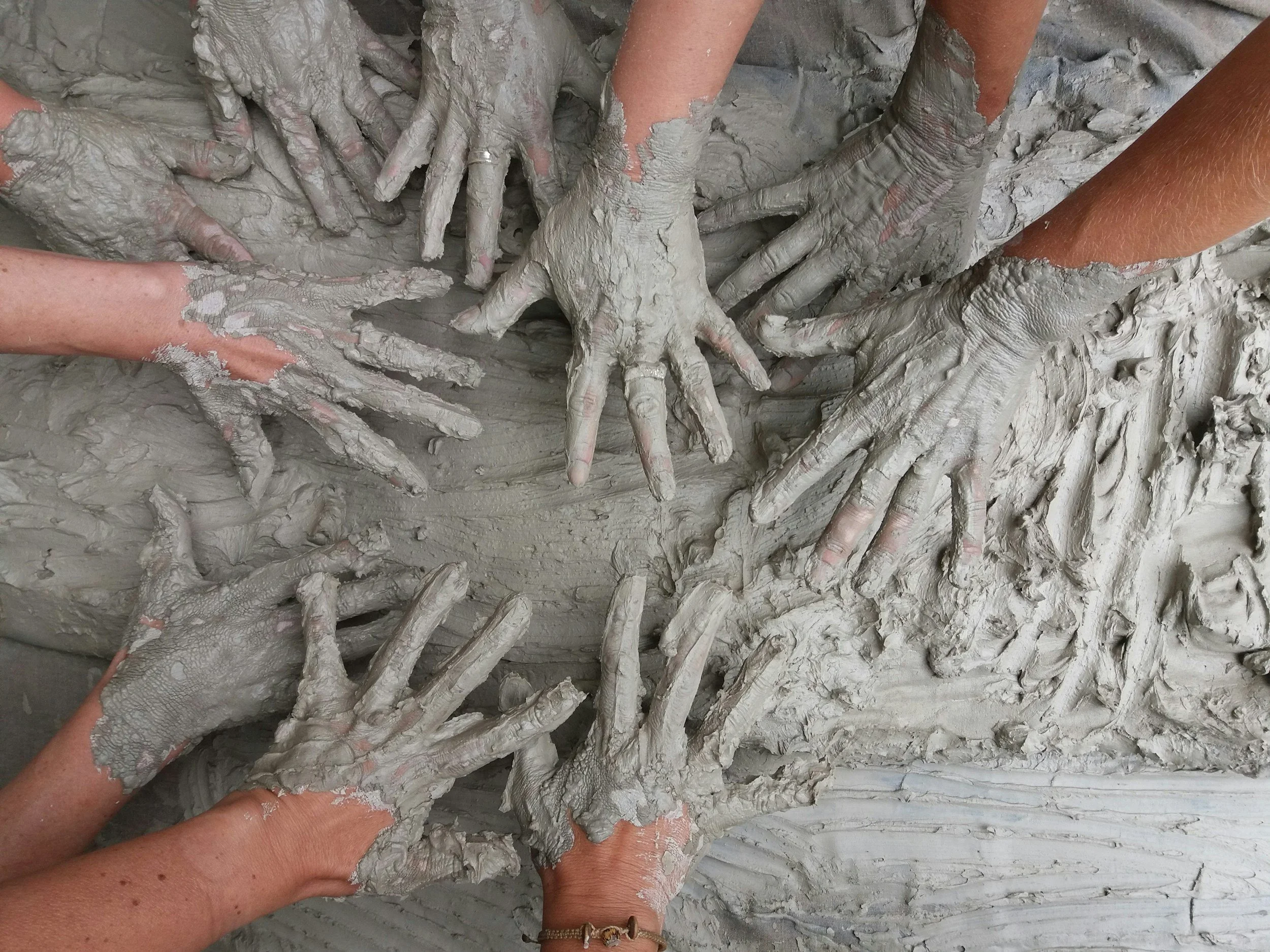
Not through nostalgia or by rejecting innovation, but by recognising that every building exists within a living network of relationships. The materials we specify influence forests, farms, quarries and waterways. The suppliers we support shape regional economies and preserve valuable knowledge. The homes we create affect the health of both people and the environments that surround them.
When we begin to see building as part of a larger living system, sustainability becomes more than reducing emissions or improving energy efficiency. It becomes an ongoing practice of care—for place, for community and for the generations who will inherit what we leave behind.
At Bahu, we believe natural building is ultimately an invitation to slow down, observe more carefully and build with greater intention. To ask not only what a building can give us, but what it can give back to the place in which it stands.
Perhaps the future of sustainable building is not about continually searching for something new.
Perhaps it begins by remembering our place.
If this approach resonates with you, we invite you to join the waiting list for the book and explore the Build Naturally Directory, a growing collection of Australian suppliers, manufacturers and makers helping to shape a more regenerative future for residential construction.
Perhaps the future of sustainable building does not lie in continually searching for something new.
Perhaps it begins by remembering what has always been here.
Want more resources like this?
Receive new articles, educational resources, supplier updates, and practical guidance on creating healthy, intentional homes inspired by nature.
Join our newsletter below.
______________
References
Alexander, C. (1979). The Timeless Way of Building. Oxford University Press.
Alexander, C., Ishikawa, S., & Silverstein, M. (1977). A Pattern Language: Towns, Buildings, Construction. Oxford University Press.
Australian Building Codes Board. (2022). National Construction Code 2022. Australian Building Codes Board.
Australian Institute of Aboriginal and Torres Strait Islander Studies. (2023). Map of Indigenous Australia. https://aiatsis.gov.au/explore/map-indigenous-australia
Commonwealth of Australia. (2023). State of the Environment 2021. Department of Climate Change, Energy, the Environment and Water
CSIRO. (2021). Our Knowledge, Our Way in Caring for Country: Indigenous-led approaches to strengthening and sharing Indigenous knowledge for land and sea management. CSIRO Publishing.
Fathy, H. (1973). Architecture for the Poor: An Experiment in Rural Egypt. University of Chicago Press.
Hampson, C. (2021–2024). Public lectures, interviews and presentations on Designing with Country. (Replace with the specific publication or presentation from which the quoted statement was sourced.)
Heath, K. (Ed.). (2009). Vernacular Architecture and Regional Design: Cultural Processes and Environmental Response. Architectural Press.
Janke, T., Cumpston, Z., Hill, R., Woodward, E., von Gavel, S., Harkness, P., & Morrison, J. (2022). Indigenous Knowledge Systems and Climate Change in Australia. National Environmental Science Program.
Kellert, S. R., Heerwagen, J., & Mador, M. (Eds.). (2008). Biophilic Design: The Theory, Science and Practice of Bringing Buildings to Life. Wiley.
Mang, P., & Reed, B. (2012). "Designing from Place: A Regenerative Framework and Methodology." Building Research & Information, 40(1), 23–38.
McHarg, I. L. (1969). Design with Nature. John Wiley & Sons.
Oliver, P. (Ed.). (1997). Encyclopedia of Vernacular Architecture of the World. Cambridge University Press.
Oliver, P. (2006). Built to Meet Needs: Cultural Issues in Vernacular Architecture. Architectural Press.
Rudofsky, B. (1964). Architecture Without Architects: A Short Introduction to Non-Pedigreed Architecture. Museum of Modern Art.
United Nations Environment Programme. (2024). Global Status Report for Buildings and Construction 2024. United Nations Environment Programme.
Wahl, D. C. (2016). Designing Regenerative Cultures. Triarchy Press.
World Green Building Council. (2019). Bringing Embodied Carbon Upfront. World Green Building Council.